Glamping sounds dreamy until you start pricing it out. One site shows a tent in the woods for $120 a night, the next lists a glass dome with a hot tub for $600, and suddenly you have no idea what a weekend will actually cost. Is your trip going to run $150 or $1,500? That confusion keeps a lot of travelers from booking at all.
This guide breaks down the glamping cost question with real numbers. We’ll cover average nightly rates across budget, mid-range and luxury tiers, why accommodation type matters most, and how location and season move prices up or down. You’ll also learn which hidden fees inflate your total, practical ways to pay less without giving up comfort, and sample budgets for three common trips. By the end, you’ll know exactly what to expect before you click “book.”
What Is the Average Glamping Cost per Night?
Glamping prices vary widely, but most sites fall into three clear tiers. Knowing where your trip lands on this spectrum is the fastest way to set a realistic budget before you start browsing listings.
Budget tier: simple sites with the essentials
At the lower end, budget tent and cabin sites typically run $80-$150 per night. These are often canvas tents or small cabins on a farm, ranch or campground, usually with shared bathroom facilities, a fire pit and basic furnishings like real beds and lanterns. You get the outdoors without roughing it, but you’ll likely walk to a bathhouse and cook over a camp stove.
Mid-range and luxury tiers
Step up to mid-range options like yurts, geodesic domes and safari tents, and rates generally land between $150 and $300 per night. These units usually include heating or cooling, quality linens, private decks and sometimes a small kitchenette. At the top, luxury suites with private bathrooms and full service cost $400-$1,000+ per night, often including housekeeping, on-site dining and extras like hot tubs or guided experiences.
How does this compare to a standard hotel in the same region? A budget glamping night often matches or slightly undercuts a modest hotel, while mid-range glamping tends to sit close to a mid-tier hotel rate. Luxury glamping, however, frequently costs as much as or more than a high-end resort in the same area, because you’re paying for a one-of-a-kind setting and personalized service rather than a standardized room.
Accommodation Type: The Biggest Price Factor
The single biggest driver of what you’ll pay is the type of unit you book. A simple bell tent and a custom treehouse can sit on the same property yet differ by hundreds of dollars per night. Understanding why that gap exists helps you decide where to spend and where to save, so you can match the unit to the trip you actually want rather than paying for features you’ll never use.
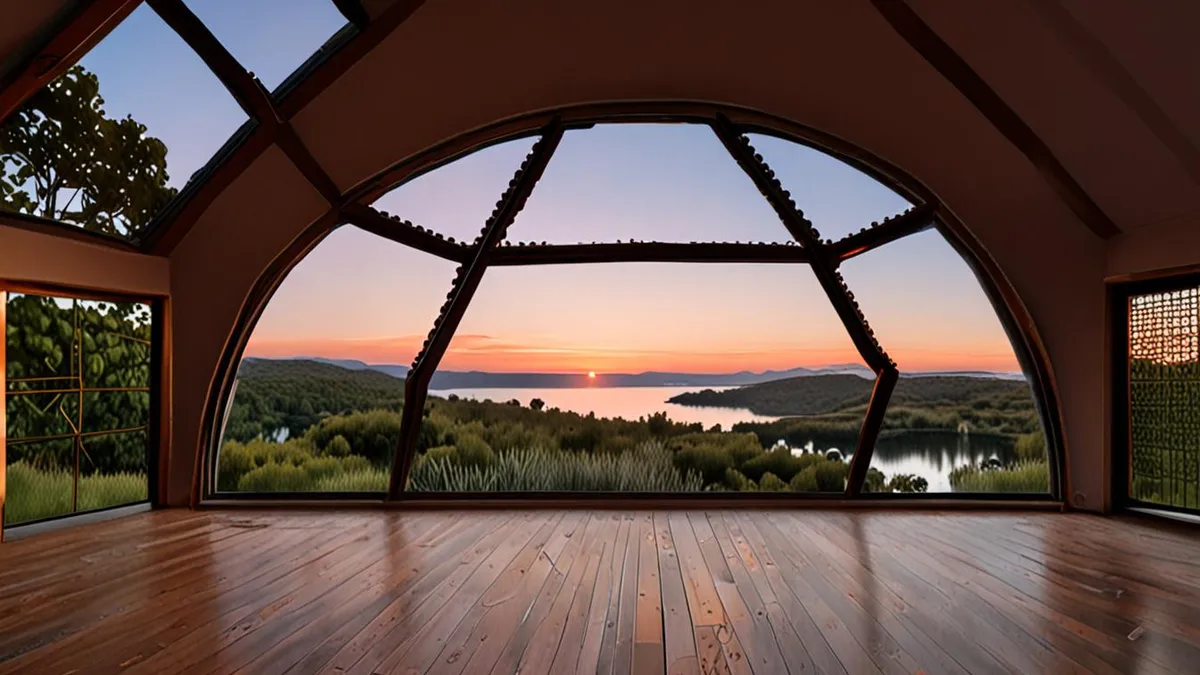
Safari tents and bell tents sit at the lower end of the range. They’re quicker and cheaper for operators to install and maintain, and those savings pass to you. Geodesic domes and treehouses command mid-to-premium pricing because the structures themselves cost far more to build, engineer and insure. A treehouse on stilts or a dome on a raised platform represents a serious investment for the owner, and nightly rates reflect it.
- Private bathrooms: Units with an en-suite bath, hot tub or full kitchen typically price noticeably higher than a similar unit with shared facilities, since plumbing and utilities drive up operating costs.
- Family-size layouts: Units sleeping 4 or more guests usually run 1.5-2x the rate of a two-person unit, but the per-person cost often works out lower than booking two separate sites.
- View and placement: Units positioned on a cliff edge, lakefront or ridge line often carry a premium over identical units farther back on the property, so ask which spots command the upcharge.
- Insulation and climate control: A four-season dome with heating and air conditioning prices higher than a summer-only canvas tent, which matters if you’re traveling outside warm months.
If comfort is your priority, spend on the bathroom and climate control first, since those upgrades shape your experience every hour of the day. If you’re mostly sleeping and hiking, a simpler tent frees up budget for activities, meals and an extra night. Either way, compare units on the same property before booking — the price difference often comes down to placement and plumbing, not overall quality.
Location and Season: When Glamping Costs More
Two identical domes can differ by $100 or more per night based purely on where and when you book. Location and season shape glamping pricing just as much as they shape hotel pricing, sometimes more.
The location premium
Sites near national parks, famous coastlines or other high-demand destinations charge a location premium. Operators know travelers will pay more to wake up minutes from a trailhead or the beach, so rates near popular parks and shorelines run noticeably higher than comparable sites an hour inland. That doesn’t mean skip these spots, but it does mean a site 30-45 minutes from the main attraction often delivers 80% of the convenience at a meaningfully lower price.
Timing your trip
Season matters just as much. Peak season from June through August typically runs 30-50% above shoulder season rates, when demand from families and summer travelers is highest. Shoulder months like May, September and early October offer the same tents, domes and views for less, often with better weather than midsummer and thinner crowds at nearby attractions.
Day of the week plays a role too. Weekend nights often cost 20-40% more than midweek nights, and popular sites fill up fast for Fridays and Saturdays. If your schedule allows a Sunday-to-Wednesday trip, you can stack the midweek discount with shoulder season savings and cut your nightly rate dramatically. Check whether your target site posts different rates by day of week before you settle on dates, since the difference between a Friday and a Tuesday booking can cover a nice dinner out.
Hidden Fees That Inflate Your Glamping Budget
The nightly rate you see listed is rarely the amount you actually pay. Glamping sites, like vacation rentals, often layer on extra charges that only appear in the final checkout summary. These add-ons can easily push a $200 night closer to $300, so it pays to know what to look for before you book.
The most common surprise is a cleaning or service fee, which commonly adds $25-$75 per booking. Because it is charged per stay rather than per night, it hits short two-night trips the hardest. On a weekend getaway, that fee alone can add 15-20% to your lodging cost.
Smaller charges stack up too, and they are easy to overlook when you are excited about a booking. Before you confirm, scan the listing for the following:
- Pet fees: many sites charge a flat fee or a per-night rate per animal, and some require prior approval, so confirm the policy before bringing your dog.
- Firewood bundles: campfires are part of the appeal, but bundles bought on site often cost several times what you would pay at a hardware store near home.
- Activity add-ons: guided hikes, kayak rentals and stargazing packages are usually priced separately from your stay and can add a meaningful amount for a family.
- Minimum-stay requirements: weekends frequently require 2-3 nights, which doubles or triples the total even if the nightly rate looks reasonable.
The simplest habit that saves money: always check the all-in total at checkout, not the nightly rate. Most booking platforms show a price breakdown before you pay, and comparing that final figure across two or three properties gives you a far more accurate picture than the headline rate ever will.
How to Lower Your Glamping Cost Without Losing Comfort
Glamping does not have to be a splurge. With smart timing and a few deliberate choices, you can often shave a meaningful amount off your trip without giving up the comfortable bed, the private deck or the morning coffee with a view. Here is how to do it, step by step.
- Book 2-3 months ahead. Early booking secures the best rates and gives you first pick of units, which matters because the cheapest and most popular tents and domes tend to disappear first. Last-minute deals do exist, but relying on them during busy periods usually means paying more for a less desirable unit, or settling for whatever is left rather than what you actually wanted.
- Shift your dates. Summer peak weekends are the most expensive time to book, while shoulder months and midweek nights at the very same property can cost noticeably less. If your schedule allows, aim for a Sunday-to-Tuesday window or a trip in late spring or early fall. You get the same views, the same firepit and the same stars, just at a friendlier rate.
- Skip the upgrades you will not use. A private en-suite bath, hot tub or full kitchen all push the nightly rate up. If a shared bathhouse and a simple kitchenette suit your style, you keep the full glamping experience and pocket the difference for activities or a nicer dinner.
- Split a large unit with friends. One big family-size tent or dome shared between two couples often works out cheaper per person than booking several small units, and you get a common space to hang out in together.
None of these strategies requires sacrificing what makes glamping special. You are simply paying for the experience rather than the add-ons. Combine two or three of these tactics on the same trip and the savings compound quickly, turning a premium property into a genuinely affordable one.
Sample Glamping Budgets for Real Trips
Abstract price ranges only help so much. It is easier to plan when you can see what real trips actually cost, all fees included. Here are three common scenarios built from the price tiers covered earlier, so you can match your own trip to one of them.
First, picture a couple escaping for a weekend in a mid-range geodesic dome. Domes in this category are among the most popular glamping rentals, and once a cleaning or service fee is added, the two-night total lands at roughly $450-$750. Second, a family of four in a safari tent during shoulder season pays around $400-$600 for two nights, since safari tents are among the more affordable unit types and off-peak dates trim the nightly rate. Third, a luxury escape for two, with a private bath, hot tub and full service, runs $800-$2,000+ for a two-night premium suite stay.
Once you know your trip type, the next step is dividing your budget sensibly. Keep these allocation tips in mind:
- Lodging first: set aside roughly 60-70% of a short-trip budget for the stay itself, since it is the largest and least flexible line item.
- Food second: units with a kitchenette let you cook some meals, while full-service resorts expect you to eat on site, so budget accordingly for each style.
- Activities last: leave 10-20% for add-ons like guided hikes or equipment rentals, and book only the ones you will genuinely use.
Whichever scenario fits your trip, build your budget around the all-in lodging total first, then layer food and activities on top. That order keeps the biggest cost under control and prevents surprises at checkout.
Planning Your Glamping Trip With Confidence
So, will a glamping weekend set you back $150 or $1,500? The honest answer is that both are possible. Glamping cost spans a wide range, from budget tent nights around $80 to luxury suites that run $400-$1,000+ per night. What pushes your total toward one end or the other comes down to three things: the type of accommodation you pick, the season you travel, and the hidden fees that stack up at checkout.
The good news is that the price is largely in your hands. Booking early and shifting your trip to shoulder season or midweek dates delivers the best value, often cutting a third or more off peak rates. With clear numbers in hand, you can match a glamping trip to almost any budget, whether that means a simple tent under the stars or a full-service suite. If this guide helped you plan your trip, leave a comment or share it with a fellow traveler.