You have a resort budget, two very different pricing models in front of you, and no clear way to choose. Pick wrong and you could pay hundreds of dollars more than you needed to, or spend a trip you booked to relax doing mental math over every cocktail and dinner bill. The choice between all-inclusive vs a la carte resorts is less about which model is better and more about which one matches your destination, your travel style and how much time you will actually spend on the property.
This guide breaks down how each pricing model really works, which trip types suit an all-inclusive resort, and when paying separately for everything is the smarter move. You will also find a simple way to run the real numbers before booking, timing and booking strategies for both resort types, and a look at the destinations where each model shines. By the end, you should know exactly which option fits the trip you have in mind.
All-Inclusive vs A La Carte Resorts: How the Two Models Really Work
An all-inclusive resort bundles your room, meals, drinks and most on-site activities into a single prepaid rate. Once you have checked in, your on-site spending basically stops at extras such as spa treatments, motorized water sports or premium bottled wine. Everything else, from the breakfast buffet to the poolside bar, is already covered by the price you paid before arrival.
An a la carte resort works the opposite way. You pay for the room, and then everything else is billed separately as you go: breakfast at the hotel restaurant, lunch by the pool, dinner at the property’s signature restaurant, cocktails at the bar, plus any activities or excursions you book. This gives you real flexibility, since you can skip hotel dining entirely and eat in town, but it also means you need to budget daily and keep an eye on the running total on your folio.
Where the prices diverge
The upfront difference is significant. All-inclusive rates typically run 20-40% higher than room-only rates at comparable resorts, which is the premium you pay for that predictability. A la carte guests, meanwhile, commonly spend $80-150 per person per day on food and drinks at a full-service resort. Depending on how much you eat and drink on-site, that daily spend can either fall well short of the all-inclusive premium or blow right past it, which is exactly why the numbers deserve a closer look before you book.
Trip Types That Suit an All-Inclusive Resort
All-inclusive resorts reward travelers who stay put. If your ideal trip is a week of swimming, sunbathing and reading by the pool with meals and drinks steps away, you are extracting value from every dollar of that prepaid rate. Families, in particular, tend to get the most out of the model, because the costs are locked in before departure and the property is designed to keep everyone entertained without leaving the grounds. That said, the math only works if you actually use what you paid for. If you plan long day trips, eat most meals off-property or book a resort with weak facilities, much of that bundled value quietly goes to waste.
There is also a psychological benefit that is easy to underestimate. At an all-inclusive resort, nobody at the table is calculating whether a second round of drinks fits the budget, and nobody dreads the folio review at checkout. For many travelers, that zero bill anxiety is worth the premium on its own. Parents can relax too, knowing that if the kids want a third ice cream or an extra plate of fries, it costs nothing to say yes.
- Kids’ clubs and supervised programs: Most family-oriented all-inclusives run age-grouped kids’ clubs, typically for toddlers through young teens, which gives parents genuine time off without hiring a babysitter.
- Unlimited snacks and casual food: Poolside grills, ice cream counters and snack bars stay open through the afternoon, which absorbs the constant “I’m hungry” requests that otherwise turn into a stream of small charges.
- Non-motorized activities included: Kayaks, paddleboards, snorkel gear and beach volleyball are usually part of the rate, so trying something new costs nothing extra.
- Entertainment on-site: Evening shows, themed nights and live music mean you do not need to budget for off-property dinners or activities to fill the week.
When an A La Carte Resort Is the Smarter Choice
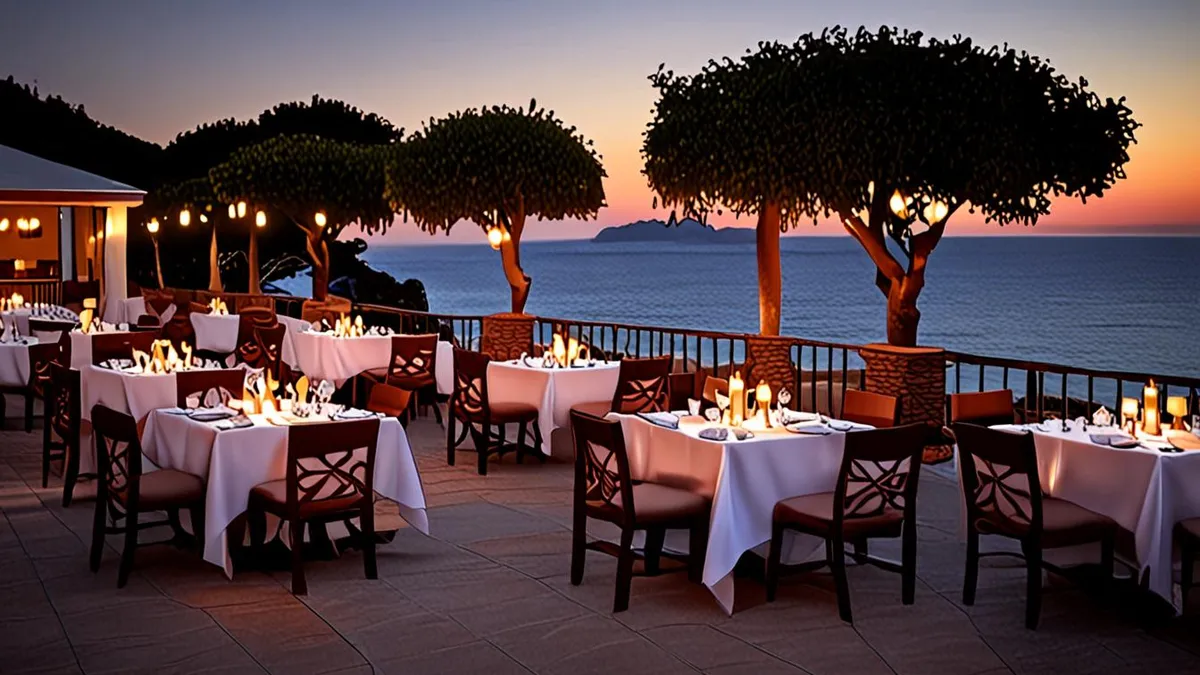
A la carte resorts make the most sense when the destination, not the property, is the main event. If you are staying in a city or a heritage region where you plan to sightsee, shop and eat out most days, the bundled meals in an all-inclusive rate simply go unused. Paying separately for a room you like and dining wherever you happen to be is almost always better value in that scenario.
Food-focused travelers have an even stronger case. All-inclusive dining programs lean heavily on buffets and set menus built for volume, while a la carte properties often run chef-driven restaurants that can be a destination in their own right. If memorable meals are a core part of why you travel, the buffet model will feel like a compromise.
Short stays tilt the same way. On a trip of one to three nights, your realistic food and drink spend rarely adds up to enough to justify the upfront premium an all-inclusive rate charges, so you would be prepaying for value you never collect. Couples and solo travelers on quick getaways tend to come out ahead booking room-only and budgeting meals as they go.
- Local restaurant scenes: In a city break, you might have breakfast at a neighborhood café, lunch at a market and dinner somewhere booked weeks in advance, leaving the hotel kitchen untouched.
- Tasting menus and wine lists: A la carte resorts are more likely to have a serious restaurant with an à la minute kitchen and a curated cellar, rather than a rotating buffet lineup.
- Late arrivals and early departures: On a two-night stay, you might realistically eat one or two hotel meals in total, which makes the prepaid dining package hard to justify.
- Room choice flexibility: Paying separately lets you put your budget into a better room or location rather than into meals you may skip.
Running the Real Numbers Before You Book
The sticker price rarely tells the whole story at a resort. A quick bit of math before booking can save you from paying twice for the same meals, or from underusing a package you prepaid for in full. The trick is to compare what you will actually spend and use on-site, not what the brochure promises. Here is a simple way to run the numbers before you commit to either booking model.
- Estimate your realistic a la carte spend. Think about how many meals, drinks and poolside snacks you would realistically charge to your room each day at a comparable resort, then multiply that daily figure by your number of nights and travelers. Compare that total against the all-inclusive quote to see how much of the premium you would genuinely use.
- Read the all-inclusive fine print. Many packages cover the basics but cap premium dining and drinks, charging supplements of $30-100 per experience. If you plan to book the chef’s table or order top-shelf cocktails every night, add those likely extras to the prepaid rate before comparing it with anything else.
- Count your off-property days. Every day spent on an excursion, a boat trip or a nearby town is a day of prepaid meals and drinks you are not using. If your itinerary keeps you off the property regularly, the all-inclusive value erodes fast, and a pay-as-you-go rate may suit you better.
Do this math honestly, using your actual travel habits rather than your best intentions, and the right choice usually becomes obvious. Be realistic about that second cocktail, the kids’ endless snacks and the lunches you will skip while sightseeing. If the totals land close together, let the style of vacation you prefer break the tie: some travelers simply relax more when every drink is already covered, while others enjoy the freedom to wander out for dinner without feeling they are wasting money.
Timing and Booking Strategy for Both Resort Types
Resort pricing moves in predictable cycles, and knowing them works in your favor whether you choose a bundled package or pay as you go. The same broad timing rules apply to both models, but the exceptions differ.
Book early for the best of both
Booking 3-6 months ahead usually secures the best resort rates and gives you the widest choice of rooms, view categories and dining slots. This matters even more at popular all-inclusives, where the best-value room tiers sell out first and later bookings push you into pricier categories.
When last-minute can pay off
If you are flexible, last-minute deals tend to appear 2-4 weeks out, mainly at all-inclusive resorts trying to fill unsold inventory. A la carte resorts rarely discount as deeply, since their rates depend less on filling a package. Keep season in mind too: peak season pushes rates up 30-50%, with the Caribbean at its priciest from December to March and the Mediterranean from June to August. Shoulder-season dates at either type of resort stretch the same budget considerably further, so shifting your dates by a few weeks often beats chasing any deal.
Destination Matters: Where Each Model Shines
Where you travel shapes which pricing model makes sense just as much as who you travel with. Some destinations are built around self-contained resorts, while others practically pull you out the door every morning.
Where all-inclusive dominates
All-inclusive resorts dominate Caribbean and Mexican beach destinations, where properties are often large and self-contained and towns can be spread out or hard to reach. When the beach, pools, bars and restaurants are all on-site, a prepaid package matches how you actually spend the week.
Where a la carte wins
A la carte suits heritage cities and scenic regions where the destination itself is the draw. In places like Kyoto, Vienna or the Amalfi Coast, you will spend your days at temples, museums and cliffside villages, and bundled meals would often go unused. A well-located hotel you pay for separately, like a zen heritage retreat in Kyoto, becomes a base rather than the whole trip.
Mixed destinations such as Phuket or Muscat offer both models side by side. There, the deciding question is simple: how much time will you actually spend on-property? If the answer is most of it, the package may pay off; if the answer is just nights and breakfasts, book a la carte.
The Bottom Line for Your Trip
So which pricing model suits your trip? If you are planning a family beach week where you will spend most days by the pool, an all-inclusive resort is hard to beat. Predictable, prepaid costs mean no bill anxiety at checkout and no mental math on every cocktail or ice cream. For that kind of holiday, the bundled rate usually pays for itself.
On the other hand, a la carte resorts come out ahead for culture-heavy city trips, food-focused travelers and short stays of one to three nights. The deciding step is simple: compare the 20-40% all-inclusive premium against your realistic daily spend and the number of hours you plan to stay on the property. If most of your days will be spent out exploring, dining off-site or on excursions, the bundled meals and drinks lose value fast. Run those numbers before you book and you will pick the model that fits both your budget and your plans. If this helped you decide, leave a comment or share this article with someone planning their next trip.