Choosing between Kruger’s dry winter and green summer is the single biggest decision you’ll make when booking a safari, and it’s a genuinely tricky one. Each season delivers a completely different experience: one promises easy wildlife sightings at higher prices, the other offers lush scenery, baby animals and significant savings, but with wildlife tucked away in thicker bush.
This guide walks you through both seasons in detail, from the prime dry months of May to September to the value-rich green season from October to April. We’ll also cover how far ahead to book, which areas of the park suit each season best, what to pack, and how to match your daily rhythm to animal activity. By the end, you’ll know exactly which Kruger lodge stay fits your priorities, whether that’s wildlife density, photography conditions or your budget.
Why the Season You Choose Shapes Your Whole Kruger Lodge Stay
The season you pick shapes almost everything about your safari, from how many animals you see to how much you pay per night. Kruger covers a vast area, roughly 350 km from end to end, and conditions can feel completely different depending on when you visit. The park has two broad seasons, and they offer experiences so different that it’s worth thinking carefully before you commit to dates.
Before choosing, it also helps to know the logistics. Kruger is typically around a 5-6 hour drive from Johannesburg, and most travelers either self-drive into the park or fly to a nearby airstrip and transfer to their lodge from there. Whichever route you take, your dates will determine the character of the drives, the crowds at sightings and the size of your final bill.
What the dry season gives you
During the dry winter months, vegetation thins out dramatically and animals gather around permanent water sources. With less bush to hide in and wildlife concentrated at rivers and waterholes, sightings become noticeably easier. Your ranger can spot animals at greater distances, and predators often follow the herds, so a single waterhole can deliver hours of action. Lodges with views over active water sources tend to earn their premium in this window, because the wildlife comes to you even between scheduled game drives.
What the wet season offers instead
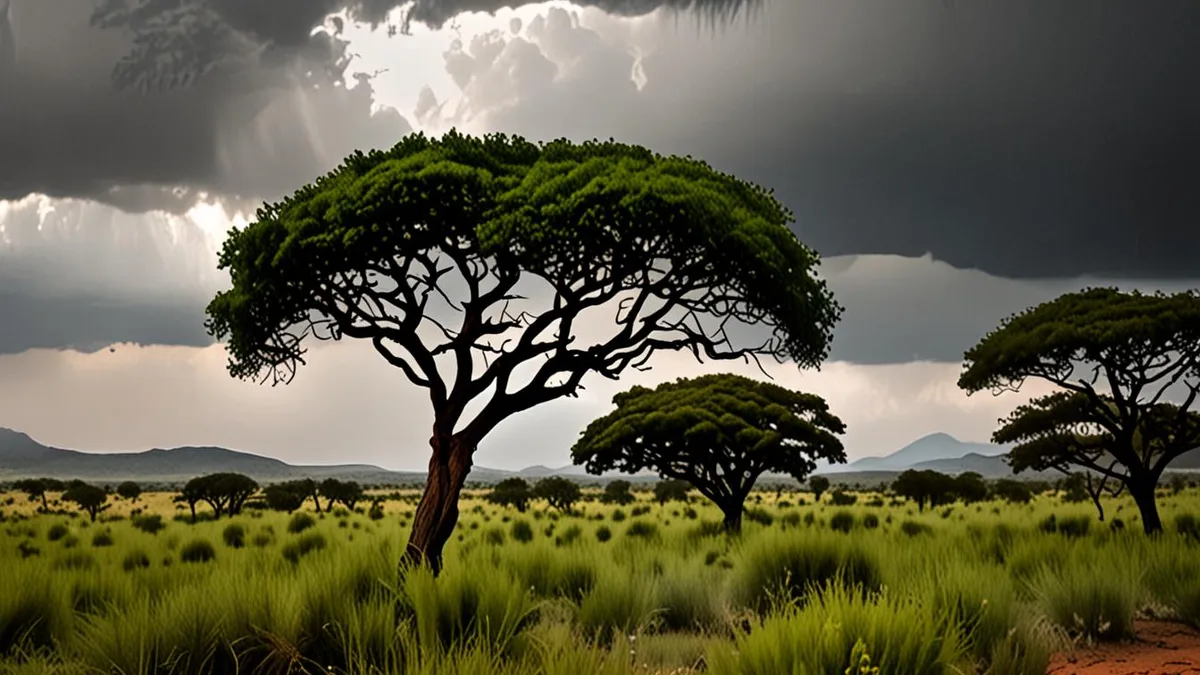
The green summer months transform the park into a lush, photogenic landscape with newborn animals everywhere and dramatic afternoon skies that photographers love. The trade-off is thicker vegetation, which gives wildlife plenty of places to stay out of sight. Sightings still happen, but they often require more patience and a skilled tracker. Birders, however, tend to prefer this season, since migrant species arrive and the park’s birdlife swells considerably.
Your choice also affects practical matters: the quality of light on game drives, how comfortable the temperatures feel, perceived malaria risk, and of course lodge pricing, which can swing by 30-40% between high and low season. Many lodges also adjust their inclusions by season, so it pays to compare what’s actually covered. The sections below break down each season in detail so you can weigh what matters most to you, whether that’s wildlife density, photography conditions or budget.
Dry Winter Months (May to September): Prime Kruger Lodge Season
From May to September, Kruger enters its dry season, and this is when the park delivers its most reliable game viewing. Days are mild and sunny, typically around 25°C, and with the vegetation at its thinnest, animals are far easier to spot. If you’re new to safari or traveling specifically for wildlife, these months are hard to beat.
Shoulder months versus peak months
May and September sit at the edges of the dry season and offer a sweet spot: excellent visibility, comfortable weather and shoulder-season pricing that can take the edge off lodge rates. June to August are the heart of peak season, when animals gather most reliably at water sources. The one downside is the cold: dawn drives can start around 5-10°C, so pack warm layers, as open vehicles get chilly before sunrise.
Why waterhole views matter most now
In these dry months, waterholes become wildlife magnets, drawing elephants, antelope and predators alike. This is exactly when lodges with on-site water views pay off most. You can sip your morning coffee while the action unfolds in front of you, without even leaving your deck. If you’re booking a June to August stay, prioritising a water-facing suite is one of the best decisions you can make.
Green Summer Months (October to April): Value and New Life
From October to April, the summer rains transform Kruger into a green, vibrant park. Daytime temperatures often climb above 30°C, and the bush is thick, but this season has its own rewards that dry-season purists sometimes overlook.
New life and birding at its best
Between November and February, the park comes alive with newborn animals. Impala lambs appear in huge numbers, and predators take full advantage, so action around newborn herds can be dramatic. This is also the best birding window of the year, as migratory species arrive and join the resident birds, adding color and variety that winter simply can’t match.
Storms, drives and serious savings
Afternoon thunderstorms are part of daily life in the green season, but they’re usually short and theatrical, rolling in fast and clearing just as quickly. Game drives typically continue once the rain passes, and the light afterward is spectacular for photography. If a drive is delayed, lodges adapt; the rhythm of the day simply shifts around the weather.
The biggest draw for many travelers is price. Low-season rates from November to March can be 30-40% cheaper than peak season, making this the best value window for staying at luxury lodges that might otherwise be out of reach. You trade some sighting reliability for scenery, savings and a park full of young animals.
How to Match Your Kruger Lodge Booking to the Right Season
Timing your booking matters almost as much as choosing your travel dates, yet many travelers plan their flights first and only then start hunting for a lodge. That order often costs them money. Kruger lodges, especially those in private concessions with limited rooms, fill up fast when game viewing is at its best, so the smartest approach is to secure your accommodation first and build the rest of the trip around it.
- Book peak-season stays 6-12 months ahead. If your heart is set on June to August, start planning early. Private concessions have only a handful of suites, and the best units with waterhole views go first. Popular school-holiday weeks fill even faster, so reserve as soon as you know your dates rather than waiting for confirmation from work or family.
- Give low-season trips 2-4 months of lead time. Between November and March, availability is rarely a problem, so you can book closer to departure. Even better, lodges often sweeten these stays with added-value offers such as discounted longer stays, spa credits or free extras, since they are competing for guests. Ask what is on the table before you commit.
- Consider the shoulder months of May and September. These months strike a balance: visibility is still excellent, the weather is mild, prices sit below peak levels, and lodges usually have reasonable availability if you book a few months out. For travelers who want good sightings without peak-season pressure, this is often the sweet spot.
Whichever window you choose, confirm cancellation terms before paying a deposit, and recheck rates directly with the lodge before finalizing. Ask about multi-night discounts and any last-minute openings, since these are rarely advertised. Flexibility of even a few days can sometimes move you into a better room or a better price, and a short phone call or email can reveal offers you would never find on a booking site.
Choosing the Right Lodge Area for Each Season
Where you stay inside Kruger changes what each season delivers. The park stretches roughly 350 km from south to north, which means conditions, vegetation and wildlife patterns differ noticeably between regions. A lodge that performs brilliantly in August may feel quiet in January, and vice versa. Matching your lodge area to the season you travel can make the difference between steady sightings and long, frustrating stretches with little to show for your early wake-up calls.
- Southern Kruger (around Skukuza and Lower Sabie): This is the classic dry-season pick. Water sources become crowded with elephants, buffalo and predators, so a lodge or camp overlooking a river or waterhole here turns every break between drives into an informal game viewing session. The southern section also carries the highest overall animal densities, which helps when thick bush or a slow morning makes sightings feel harder than usual.
- Private concessions along the western boundary: These tracts allow off-road driving, so rangers can follow animals into thicker bush. That matters most in the green months when vegetation hides wildlife, though it improves viewing year-round regardless of when you visit. Trackers and smaller vehicle numbers add another layer of quality, especially for photographers who need time and good positioning at a sighting rather than a quick look from a public road.
- Northern regions: These suit birders best between November and February, when migratory species arrive and resident specials are joined by colorful summer visitors. Mammal densities are lower up here, so pair the trip with binoculars and patience rather than big-game expectations. The reward is a different cast of species you will rarely encounter in the south.
If you cannot decide, a simple rule works well: aim south for winter big-game trips, choose a concession for summer or photography-focused stays, and head north in the wet season if birds are your priority. Splitting a stay between two regions is also an option, and many travelers find it gives them the best of both worlds without adding much driving time to their itinerary.
Packing and Daily Rhythm Tips by Season
What you pack and how you structure your day should shift with the season. Winter mornings and summer afternoons in Kruger are two very different experiences, and arriving prepared keeps you comfortable enough to stay out where the animals are. Lodge staff will usually provide blankets on open vehicles, but your own layers make the biggest difference. Think of your packing list as part of your game-viewing strategy: if you are cold, wet or sunburned, you will be counting the minutes until the drive ends instead of scanning the bush.
- Winter kit: Pack fleece layers, a beanie and gloves for dawn drives when temperatures sit around 5-10°C. A light scarf shields your face from wind chill on the open vehicle. By midday it climbs to a pleasant 25°C, so wear layers you can peel off and stash in a daypack. Keep sunscreen handy even on cool mornings, since the African sun is strong regardless of the air temperature.
- Summer kit: Choose light, breathable clothing in neutral colors, plus a compact rain jacket for the afternoon storms. Days often push past 30°C, so a refillable water bottle and a wide-brimmed hat matter more than you might expect. Keep binoculars within reach, because drives that continue after a storm clears often produce some of the best sightings of the day, when the light turns soft and animals reappear to drink.
- Daily rhythm: In both seasons, plan around morning and late-afternoon drives, when animals are most active and temperatures are kindest. Use the midday hours for the pool, a nap, a leisurely lunch or watching the waterhole from camp, where action often continues while you rest.
One last tip: charge camera batteries overnight and carry a spare, since cold winter mornings drain them quickly and long summer drives give you more shooting time than you expect. A small dry bag or ziplock for phones and cameras is also smart in the wet season, when a sudden downpour can catch you far from camp.
Final Thoughts on Timing Your Kruger Lodge Trip
Choosing between Kruger’s dry and wet seasons comes down to what you want most from your stay. If wildlife density is your priority, the dry months from May to September deliver, with June to August offering peak game viewing around waterholes. If scenery, newborn animals and value matter more, the green months from October to April bring lush landscapes and rates that can run 30-40% below peak season at luxury lodges.
Timing your booking matters just as much. Peak-season lodges, especially private concessions, typically need 6-12 months of lead time, while low-season stays can often be arranged 2-4 months out, sometimes with added-value offers. There is no single right answer: photographers, budget travelers and first-time safari-goers will each find a different season suits them best. If this guide helped you plan your trip, leave a comment or share it with a fellow traveler.