Picking where to stay in Banff sounds simple until you actually start searching. Within a few kilometers you’ll find lodges in the busy townsite, quiet properties on the pine-covered slopes of Tunnel Mountain, hotels beside the famous turquoise water of Lake Louise, and spacious options in Canmore, just outside the park. Prices, drive times and the whole feel of your trip can change dramatically depending on which one you choose.
This guide compares each lodge area side by side: what it costs, how far you’ll drive, who it suits best, and when you need to book. Whether you’re a first-time visitor without a car, a couple chasing quiet, or a hiker who wants to be first on the trail at Lake Louise, you’ll finish with a clear idea of which area fits your trip.
Why Your Lodge Area Shapes the Whole Banff Trip
Banff’s lodge options fall into four distinct areas: the townsite itself, the forested slopes of Tunnel Mountain, the Lake Louise village area, and Canmore just outside the park boundary. Each choice affects three things at once: how long you spend driving, what you pay per night, and how quickly you can reach the trailheads you came for.
Staying inside Banff National Park means competing with everyone else for limited rooms, so you need to book far ahead, especially for summer. Canmore, roughly 20 minutes east of Banff, sits just outside the boundary and typically offers wider availability when park lodges are full.
What matters most to you?
If dining, shops and nightlife top your list, the townsite wins. If you want a quiet cabin feel with pine trees outside your window, look at the mountain slopes. If your whole trip revolves around hiking at Lake Louise, staying near the lake itself saves you a long commute each morning. The sections below break down each area in detail so you can match it to your priorities.
Banff Townsite: Walkable Lodges Near Restaurants and Shops
Lodges on and around Banff Avenue put you in the middle of everything. Restaurants, cafes, outfitters and souvenir shops sit within a few minutes’ walk, and shuttle connections to the Banff Gondola are easy to reach on foot. Tour and shuttle departures for Lake Louise and other highlights also leave from town, so car-free travelers can build a whole itinerary without driving.
What to expect on price and atmosphere
Convenience comes at a cost. Summer rates in the townsite typically run roughly CAD 400 to 600 per night, the highest in the region. You’ll also share the streets with the most foot traffic and evening noise of any lodge area, especially in July and August.
For first-time visitors without a car, though, this is hard to beat. You can walk to dinner every night, join guided tours from downtown departure points, and use local transit to reach major sights. If your trip is short and you want maximum sightseeing with zero parking hassles, base yourself here.
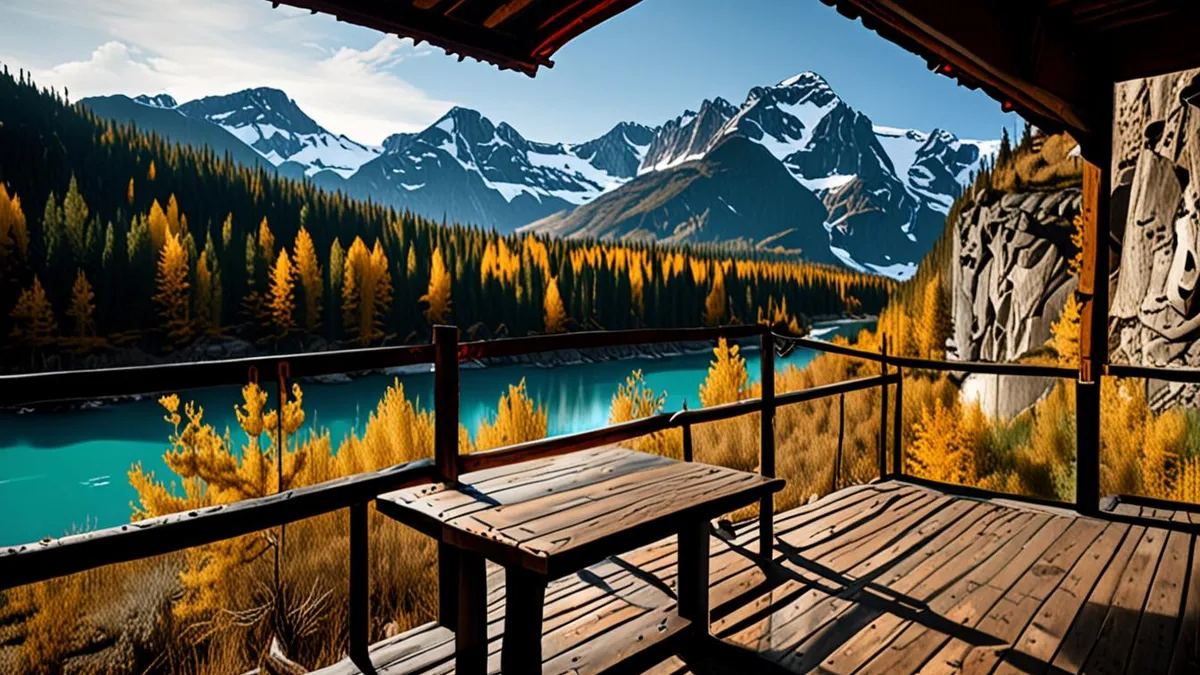
Tunnel Mountain and Sulphur Mountain Slopes: Quiet Forest Lodges
The lodges spread along Tunnel Mountain’s slopes sit in pine forest, yet they’re only a 10 to 15 minute walk from Banff Avenue. That combination is rare: you get the calm of a forest setting with restaurants and shops still within reach on foot.
Price and practical advantages
Rates here often run CAD 50 to 150 lower than comparable townsite properties, and you’ll typically find easier parking and better mountain views from your room or balcony. Waking up to trees instead of street traffic changes the feel of a Banff trip in a way many returning visitors come to prefer.
This area suits couples and repeat visitors who value tranquillity but still want to drive or stroll into town for meals. You trade a bit of walkability and evening buzz for quiet nights, lower prices and a more outdoorsy atmosphere. If you’ve already seen the townsite once and want Banff to feel like a retreat rather than a base camp, the slopes are the smarter pick.
Lake Louise Area: Staying Close to the Iconic Shore
Lake Louise sits about 57 km from Banff townsite, roughly a 40-minute drive along the Trans-Canada Highway. If you plan to spend more than one day around the lake, staying there instead of in Banff saves you a daily round trip of well over an hour, plus the challenge of finding parking at the busiest spot in the park.
The trade-off is availability. Lodges in and around the Lake Louise village book out faster than anywhere else in the region, and the number of properties is limited. For a summer stay, secure your room 6 to 12 months in advance. If you wait until spring, you will likely be choosing between what is left rather than what suits you.
Who this area suits best
Lake Louise is the strongest choice for hikers. Early-morning trailhead access is the real advantage: you can start the Plain of Six Glaciers or Big Beehive trails before the day-trippers arrive from Calgary and Banff, when the shoreline is calm and parking is still possible. If your trip is mostly about town dining and nightlife, though, the 40-minute drive back will wear on you, and the Banff townsite is the better base.
Canmore: More Space and Lower Rates Just Outside the Park
Canmore sits about 20 minutes east of Banff, just outside the park boundary. That location changes the math for many travelers: rates here often run CAD 100 to 200 lower than comparable lodges inside the park, and availability is noticeably wider, especially for summer dates that sell out in Banff itself.
What you trade is convenience. Every day in the national park means driving through the park gate, so build that time into your plans. In exchange, you typically get larger rooms, a much broader range of restaurants and cafes, and easier grocery and fuel stops before you head into the mountains. For anyone self-catering or stocking a cooler for day hikes, that practical difference matters more than it sounds.
Who this area suits best
Canmore works best for longer stays and travelers on a budget who plan to drive into the park each day. If you are staying a week, the savings on lodging add up quickly and often cover your rental car. It is a weaker fit for car-free visitors, since the drive into Banff becomes essential rather than optional.
When to Book: Seasons and Rates for Banff Lodges
Booking timing makes as much difference to your Banff lodge budget as the area you choose. Summer is the tightest window: peak season runs June to September, and the best lodges fill their calendars long before most travelers even start planning a trip. If you want a specific property in a specific area, treat your reservation as the first step of trip planning, not an afterthought once flights are sorted. Winter, running December to March, is more forgiving overall, but competition returns quickly on weekends and around holiday periods, so give yourself a solid buffer there too.
Rates swing just as sharply as availability. Expect summer rates of roughly CAD 300 to 600 per night inside the park, while winter typically brings them down to CAD 180 to 350. If your dates are flexible, the shoulder months reward you twice: lower prices and thinner crowds. A midweek stay in shoulder season can cost noticeably less than the same room on a July weekend, so shifting your dates by even a few days often stretches your budget further.
- July and August are the busiest months of the year, so trailheads, parking lots and restaurants all peak at the same time as lodge rates.
- May, June and September to October are shoulder season, when you can often find lodge availability just a few weeks out instead of months ahead.
- Early June and late September can feel like a sweet spot: shoulder-season pricing with long daylight hours for hiking.
- Winter bookings hinge on weekends and holiday periods; midweek winter nights are usually the easiest dates to land in any area.
Matching the Right Banff Lodge Area to Your Trip
The simplest way to cut through the confusion is to match the area to your trip before you compare a single property. First-timers without a car will be happiest in the walkable townsite, while couples chasing quiet and forest views should look at the Tunnel Mountain slopes. Hikers who want early trailhead access belong near Lake Louise, and travelers watching their budget or planning a longer stay will find more space and lower rates in Canmore, just outside the park boundary.
Timing matters just as much as location. Summer stays from June to September are the priciest and book out fastest, so lock those in 6 to 12 months ahead; winter trips need 3 to 6 months of lead time. Once you have chosen your area first, comparing Banff lodges becomes far easier. If this guide helped you plan your trip, leave a comment or share it with a fellow traveler.