Figuring out the best time to book luxury hotels in Europe can feel like guesswork. The same suite in Paris or on Lake Como can swing by hundreds of euros per night depending on the month, and booking too late or too early both carry real costs. Most travelers want the same thing: a top property, a fair rate, and no last-minute panic.
This guide walks through how seasonal pricing actually works at European luxury hotels, then breaks down lead times for summer and shoulder-season stays. You’ll find dedicated sections on city escapes like Paris, Vienna and London, the short season at lake and coastal resorts, and why shoulder season often delivers the best mix of value and experience. We’ll also cover when it makes sense to pay peak prices on purpose, and finish with a quick booking calendar you can use year-round.
How Seasonal Pricing Works at European Luxury Hotels
European luxury hotels price rooms on demand, not on a fixed yearly rate card. That means the exact same suite can carry a very different nightly price in July than it does in October, even though the room itself hasn’t changed. Understanding the rhythm of these price swings is the foundation for every booking decision that follows.
Peak season: the expensive stretch
Across most of Europe, peak season runs from June through August. During these summer months, luxury hotel rates typically climb 40-80% above their baseline. The reasons are simple: school holidays, the best weather almost everywhere, and a surge of both international and regional travelers competing for the same limited inventory. In resort destinations, this is also when every facility operates at full capacity, which hotels use to justify the premium.
Shoulder months: similar weather, softer rates
The shoulder months of April-May and September-October are where savvy travelers focus. Weather in much of Europe during these windows is often pleasant enough for sightseeing, dining outdoors and even swimming in the south, yet rates typically sit 20-40% below peak levels. You’re getting close to the same experience for noticeably less money.
Because pricing is demand-based, the difference between months can be dramatic at the individual room level. A suite quoted at one rate in May might cost hundreds of euros more per night in August. This is why checking the same property across several months before committing is one of the simplest ways to see the seasonal spread with your own eyes.
Best Time to Book Luxury Hotels in Europe by Lead Time
How far in advance you book matters almost as much as when you travel. Lead time requirements change with the season, and luxury hotels handle late bookings very differently depending on how full their calendar already is. A villa-style suite on a lakefront terrace will sell out long before a standard city room, and staff at high-end properties often have little flexibility once inventory tightens. The good news is that the timing rules are simple once you know your travel season. Here’s a practical sequence to follow.
- Book summer stays 3-6 months ahead. For June-August travel at top European properties, this window gives you the widest choice of room categories and rate options. Reserve inside it and you can lock in availability before the most desirable suites disappear. If you have your heart set on a particular view or corner suite, aim for the earlier end of that range rather than the later one.
- Allow 1-3 months for shoulder-season dates. April-May and September-October trips usually don’t demand the same urgency. Inventory is more relaxed, so a shorter lead time is typically enough to secure a good room at a fair rate. This flexibility also makes it easier to adjust plans if your dates shift.
- Treat last-minute deals as a bonus, not a plan. Genuine late discounts do exist, but at flagship hotels with a limited number of suites they’re unreliable. If a specific property or suite matters to you, waiting for a last-minute bargain often means losing the room entirely.
The common thread is that scarcity drives lead time. The more exclusive the property and the more popular the dates, the earlier you should commit. Match your booking window to your travel season and you’ll rarely be forced into whatever is left.
City Escapes: When Paris, Vienna and London Cost Less
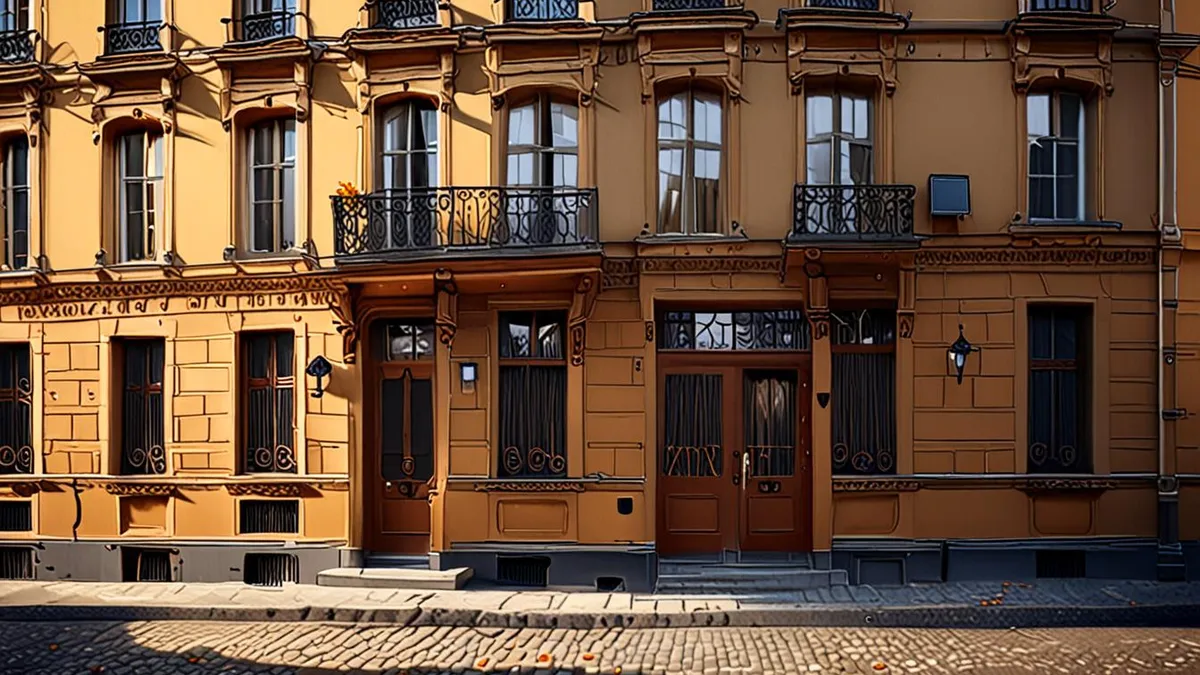
European capital cities follow a different pricing calendar than beach and lake resorts. Instead of a summer peak driven by sunshine, city hotel rates track events, holidays and business travel. Get the timing right and the savings are substantial: January-February and late November are typically the cheapest city months, often running 30-50% below summer rates. For a taste of what’s possible in the low season, consider the value found at properties like the Shangri-La Paris, which you can read more about in this guide to the Shangri-La Paris and its Eiffel Tower grandeur. Outside the summer rush, even palace-level hotels feel more accessible.
Day of week matters just as much as month. In urban hotels, Sunday-to-Thursday stays often cost 15-30% less than weekend nights, since leisure travelers flood in on Fridays and Saturdays while business travelers keep midweek rates steady. Shifting a city break by a day or two is one of the easiest wins available, and it costs you nothing in experience.
A few practical habits make the difference between an ordinary rate and an exceptional one:
- Watch out for festive spikes. Christmas, New Year and Easter weeks act as mini-peak periods, with city rates typically 20-40% above normal even though these fall in the otherwise cheap low season.
- Check the city’s event calendar before booking. Fashion weeks, trade fairs and major conferences can push midweek rates up sharply in otherwise cheap months, so a quick check of the events schedule can save you from an outlier price.
- Pair cheap months with midweek nights for maximum effect. A Tuesday-to-Thursday stay in late November or early February stacks the two biggest discounts on top of each other, often producing the lowest rates of the entire year.
- Book around the calendar, not just the destination. Once you know a city’s cheapest window, build your trip around it rather than fixing dates first and accepting whatever rate appears.
Lake and Coastal Resorts: Timing the Short Season
Lake and coastal resorts in Europe run on a very different calendar than city hotels. Properties along Lake Como, the Amalfi Coast and similar waterfront destinations operate a short high season from May through September, and that is when they charge their highest rates. The season is short because these are warm-weather destinations: outdoor pools, lake terraces, boat services and beach clubs simply do not make sense in the same way year-round.
The good news is that the season stretches a little longer than most travelers assume. In April and October, many of these resorts stay open, the weather is often still pleasant for walking, dining and sightseeing, and rates drop sharply compared with summer. You trade some pool-and-sun time for quieter shores, easier restaurant reservations and far better value. Before booking, confirm that your chosen property is open in these months and check which restaurants and facilities are running, since some reduce services at the edges of the season. A quick email to the hotel will usually get you a clear answer about what is operating.
Book the Most Wanted Suites First
If you have your heart set on a cliffside terrace or a suite overlooking the water, plan well ahead. These rooms are the first to sell out in July and August, when demand peaks across the coast and the lakes. Standard rooms may still be available weeks out while the top-category suites are long gone, so reserve the specific room type you want as early as possible rather than hoping for a last-minute upgrade. For a sense of what a lakeside stay at its best looks like, see this look inside a grand Lake Como hotel.
Shoulder Season: The Sweet Spot for Value and Experience
If you want the best balance of price and experience, aim for the shoulder months. May and September are the standouts across most of Europe: the weather is usually warm, resort pools and restaurants are fully open, and rates sit noticeably below peak-season levels. You get the same staff, the same views and largely the same atmosphere, without the summer crowds or the summer bill.
Choosing Your Shoulder Month
October works especially well for city breaks and for southern Europe. Landmarks in cities like Rome, Barcelona and Athens are noticeably less crowded, outdoor dining is still comfortable in many regions, and hotel pricing has softened from summer levels. Farther north, October can be cooler and wetter, so it suits travelers who prioritize museums, cafés and indoor experiences over terrace weather.
Shoulder season is also when hotels are most generous with offers. Because occupancy is softer, this is the period when you are most likely to see complimentary upgrades, added-value packages, resort credits or extended-stay deals. If you have flexibility in your dates, ask about available promotions when booking rather than assuming the listed rate is final. A polite email to the hotel directly can sometimes surface offers that are not shown on booking platforms. It also helps to be specific: mention if you are celebrating an occasion or staying several nights, since that is often what triggers an upgrade or a perk.
The main trade-off is unpredictability. Weather in May or September is generally good but not guaranteed, and the occasional cool or rainy day is more likely than in July. Some properties also scale back services early or late in the shoulder window, so confirm that the restaurants, spa or pool you care about will actually be open during your dates. For most travelers, the savings and calmer surroundings more than make up for these small compromises.
When to Splurge: Paying Peak Prices on Purpose
Sometimes paying peak prices is the right call. If your idea of a perfect trip depends on rooftop pools, lively beach clubs and a full calendar of seasonal programming, the summer high season delivers exactly that. DJs at the pool bar, boat excursions running daily, kids’ clubs in full swing, every restaurant open with its complete menu — these experiences exist because demand supports them, and they are simply not replicated in quieter months. A cliffside pool that feels vibrant in July can feel subdued in October, no matter how good the weather.
The same logic applies to the festive period. Christmas and New Year weeks bring decorated lobbies, gala dinners, themed afternoon teas and a celebratory atmosphere that many travelers find worth the premium. If the seasonal magic is the point of the trip, paying it can be a conscious choice rather than an accident.
When You Decide to Pay Peak Prices
- Book four to six months ahead. High-demand suites sell out fastest of all, and waiting for a discount at a flagship property during peak weeks usually means losing the room rather than saving money.
- Confirm exactly what is included. Festive stays often carry mandatory gala dinner supplements or minimum-stay requirements over Christmas and New Year, so ask the hotel for the full terms before you commit.
- Match the splurge to the purpose. If the trip centers on a specific experience — a beach club summer, a New Year’s Eve gala — peak pricing buys that experience; if it centers on the destination itself, shoulder months may serve you better.
Quick Recap: Your European Luxury Booking Calendar
If there is one takeaway from this guide, it is that timing matters more than anything else when booking luxury hotels in Europe. For summer resort stays, aim to reserve 3-6 months ahead. City trips and shoulder-season dates usually only need 1-3 months of lead time. If your dates are flexible, target April-May, September-October or January-February for the lowest rates, and skip the festive weeks unless you genuinely want the decorations and gala atmosphere and accept the premium that comes with them.
Match your booking window to your destination type and your priorities, and you can often enjoy the same suite, the same service and much of the same weather for a fraction of the peak-season price. Have a question or a booking success story of your own? Leave a comment below or share this article with a fellow traveler.