Planning a first safari in Kenya can feel overwhelming. There are dozens of parks and reserves and hundreds of places to sleep, from simple tented camps to luxury lodges, and every website claims theirs is the best. Most first-timers have no idea how to match a safari lodge in Kenya to their budget, the season they’re traveling and the animals they most want to see.
This guide breaks the decision into clear, practical steps. We’ll start with choosing the right park for your wildlife goals, then look at how the dry and green seasons change both prices and experiences. You’ll also learn what lodge rates actually include, whether a lodge or tented camp suits your style, and how to spot red flags before you pay a deposit. A final checklist pulls everything together so you can book with confidence.
Pick Your Park First: Where to Stay on a First Safari in Kenya
Your choice of park shapes everything else about your safari, including which lodges are even available to you. Kenya’s reserves differ hugely in landscape, wildlife and crowd levels, so decide what matters most before you fall in love with a lodge’s website. A stunning camp in the wrong location won’t fix a disappointing game-drive experience.
Start by matching the park to your priorities. If big cats top your list, one destination stands out. If elephants and dramatic scenery matter more, head south. And if you’d rather avoid the crowds entirely, look north to the community conservancies.
- Maasai Mara: the highest big-cat density in Kenya, plus the Great Migration river crossings from July to October, when wildebeest herds brave the crocodile-filled Mara River.
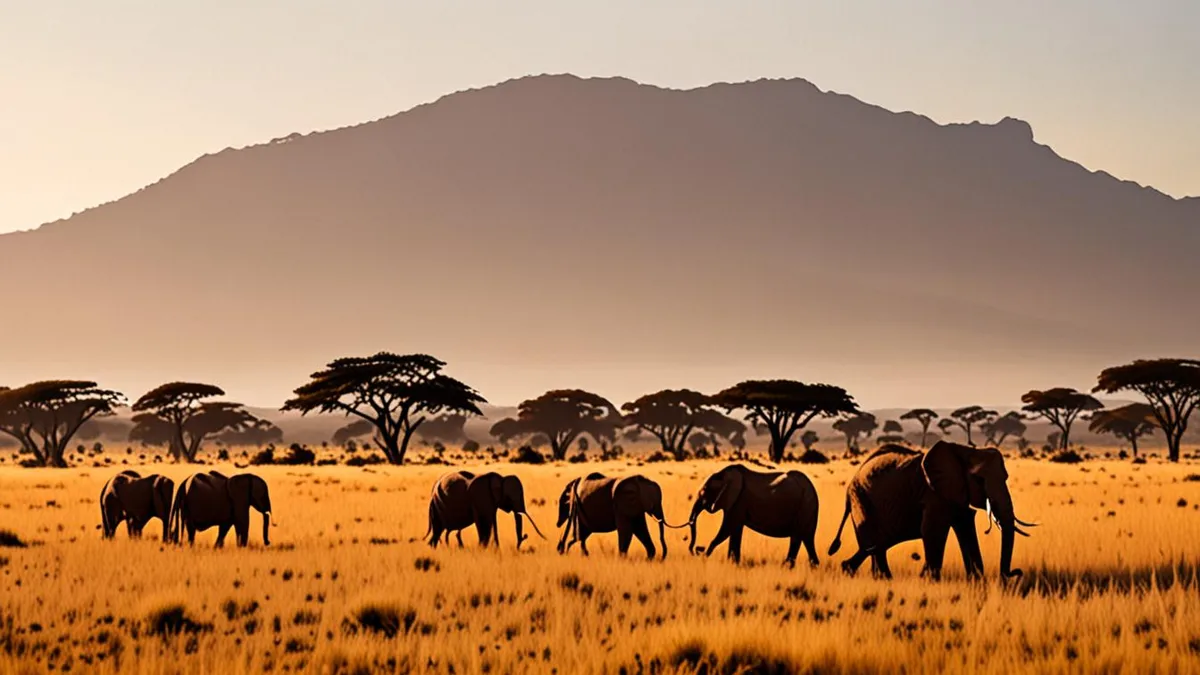
- Amboseli: large elephant herds photographed against Mount Kilimanjaro, roaming open, easy-to-navigate plains that make wildlife simple to spot even for first-time visitors.
- Samburu and Laikipia conservancies: rarer species like Grevy’s zebra and reticulated giraffe, in quieter settings where you may go hours without seeing another vehicle.
Finally, match distance to your trip length. The Mara is roughly 5-6 hours by road from Nairobi, so if you’re staying under four nights, take a light aircraft flight of about 45 minutes instead and spend your time on game drives rather than on the road. Amboseli sits about 4 hours from Nairobi, making it a manageable overland option for shorter trips.
Timing Your Stay: Dry Season vs Green Season Rates
When you travel matters almost as much as where you stay. Kenya’s seasons affect wildlife viewing, road conditions and lodge prices, so align your dates with your priorities before booking anything.
Peak season: July to October
The dry season from July to October delivers the best wildlife viewing of the year. Animals gather around water sources, vegetation is thin and the Great Migration arrives in the Maasai Mara. The trade-off is demand: you’ll need to book your safari lodge in Kenya 9-12 months ahead for this window, especially if you want a camp near the river-crossing areas.
Green season: November to May
From November to May, rates drop by roughly 30-50% and the landscape turns lush and green. This is also calving season, so you’ll see newborn animals and, with them, increased predator activity. Booking 3-6 months ahead is usually enough. One caution: if game driving is your main goal, think twice about the long rains of March to May, when some camps close and roads become challenging. January and February are the sweet spot within the green season, offering a warm, dry mini-peak with good visibility before the heavy rains arrive.
Setting a Realistic Budget: What Lodge Prices Really Include
Safari lodge pricing can be confusing because two lodges charging similar nightly rates may include very different things. Before comparing prices, understand what a typical rate covers and what often gets billed separately.
At mid-range lodges, expect to pay $250-600 per person per night. This typically covers your accommodation, all meals and two daily game drives, usually one in the early morning and one in the late afternoon when animals are most active. Luxury camps start around $700 and can exceed $1,500 per night, adding private guides, sundowner drinks in the bush and finer dining to the experience.
The real trap is the extras. Two quotes that look identical on paper can end hundreds of dollars apart once add-ons are counted, so ask each lodge exactly what its rate includes. Check these items specifically:
- Park or conservancy fees: these daily fees exist at every park and conservancy, change regularly and can add a significant amount per person per day, so confirm whether they’re included or payable on arrival.
- Drinks and laundry: many mid-range rates cover soft drinks but exclude alcohol, and laundry is often charged per item at smaller camps.
- Light-aircraft transfers: flying in saves hours of driving, but airstrip transfers and charter seats are frequently quoted separately from your stay.
Finally, compare fully inclusive rates against game-package rates before assuming the cheapest nightly price is the best deal. A lower rate that excludes park fees, drinks and transfers can easily cost more in total than a higher all-inclusive one.
Lodge vs Tented Camp: Choosing Your Style of Stay
Your first big decision is not which animal you hope to see, but how you want to sleep at night. Kenya offers two main styles of stay: permanent lodges with solid walls, and tented camps that bring you closer to the sounds of the bush. Both can be comfortable, but the experience feels very different.
Permanent lodges suit travelers who want familiar comforts after a dusty day of game driving. Think swimming pools, restaurants with proper kitchens, and staff used to hosting families. If you are traveling with young children, a lodge with a pool and fenced or well-supervised grounds can make the trip far more relaxing for everyone.
Luxury tented camps trade some of that polish for atmosphere. Canvas walls let you hear hyenas calling in the distance, and lantern-lit dinners under the stars feel genuinely special. Most quality camps still offer proper beds, hot showers and excellent food, so you are roughing it far less than the word “tent” suggests.
Match your choice to the purpose of the trip. Honeymooners often favor small, intimate camps with just a handful of tents, while first-timers frequently appreciate the structure and comfort of an established lodge. Before you decide, consider a third option that many repeat visitors end up preferring:
- Private conservancy camps sit on community or privately owned land bordering the main parks, where most conservancies around the Mara limit vehicle numbers at sightings, so you share a lion or cheetah sighting with far fewer other cars.
- Conservancies typically allow night drives, which national parks do not, giving you a chance to spot nocturnal species like bushbabies, aardvarks or hunting leopards after dark.
- Many conservancy camps also offer guided walking safaris, letting you track animals on foot with an armed guide and learn about smaller things a vehicle whizzes past, from tracks to insects to plants.
- Conservancy stays usually include conservancy fees charged separately or folded into the rate, so ask what applies before comparing prices with park-based lodges.
Red Flags and Green Flags: How to Vet a Lodge Before Booking
Photos of a lodge’s pool and buffet tell you almost nothing about the quality of your safari. The guide behind the wheel and the condition of the vehicle shape every single day of your trip, so focus your research there. Read recent reviews that specifically mention guide knowledge, vehicle maintenance and how drivers behave around animals. Reviews that only praise the food and rooms may come from guests who barely left the camp.
Questions Worth Asking Before You Pay a Deposit
Ask the lodge directly how many guests share a game-drive vehicle. Three rows of seats or fewer is a good sign, because it means window seats for everyone and enough space for camera gear. Also confirm exactly where the lodge sits. A property inside a national park or private conservancy lets you head out at dawn and stay out until the light fades, while a lodge outside the gates adds daily transfers and lost game time every morning and evening.
Protecting Your Money
Check the cancellation terms carefully before committing, since safari bookings often require substantial deposits well in advance. Verify that the operator is a registered member of Kenya’s recognized tourism bodies, which gives you some recourse if things go wrong. A few direct questions answered promptly and specifically are usually a better signal than a glossy website.
Final Checklist: Choosing Your Safari Lodge in Kenya with Confidence
Kenya’s dozens of parks and hundreds of lodges can make a first safari feel overwhelming, but the decision becomes simple when you work in order. Lock in your park, your season and your budget first, then shortlist only the lodges that fit all three. Trying to browse lodge websites before you’ve settled those three things is how travelers end up comparing a tented camp in one region against a family lodge in another, with no way to judge which is actually better value.
A practical way to do this is to build a simple shortlist of three to five properties that match your park, season and price band, then contact each one directly with the same set of questions. Ask what the rate includes, how vehicles are shared, and what happens if your international flight is delayed and you miss a night. Lodges that answer promptly and clearly are usually just as organized once you arrive. Keep a note of the answers, because details like drink policies and conservancy fees vary more than most first-timers expect.
Book 9-12 months ahead for July to October travel, or 3-6 months ahead for green season, and confirm exactly what each rate includes before paying any deposit. Deposit terms differ widely between operators, so read them before you commit rather than after.
Finally, verify guide quality, vehicle size and conservancy access through recent reviews and direct questions to the lodge. Do that, and you’ll choose your safari lodge in Kenya with confidence rather than guesswork. If this guide helped you plan your trip, leave a comment or share it with a fellow traveler.